







Skip to content

Cart

Your cart is empty

OUT OF OPTICS

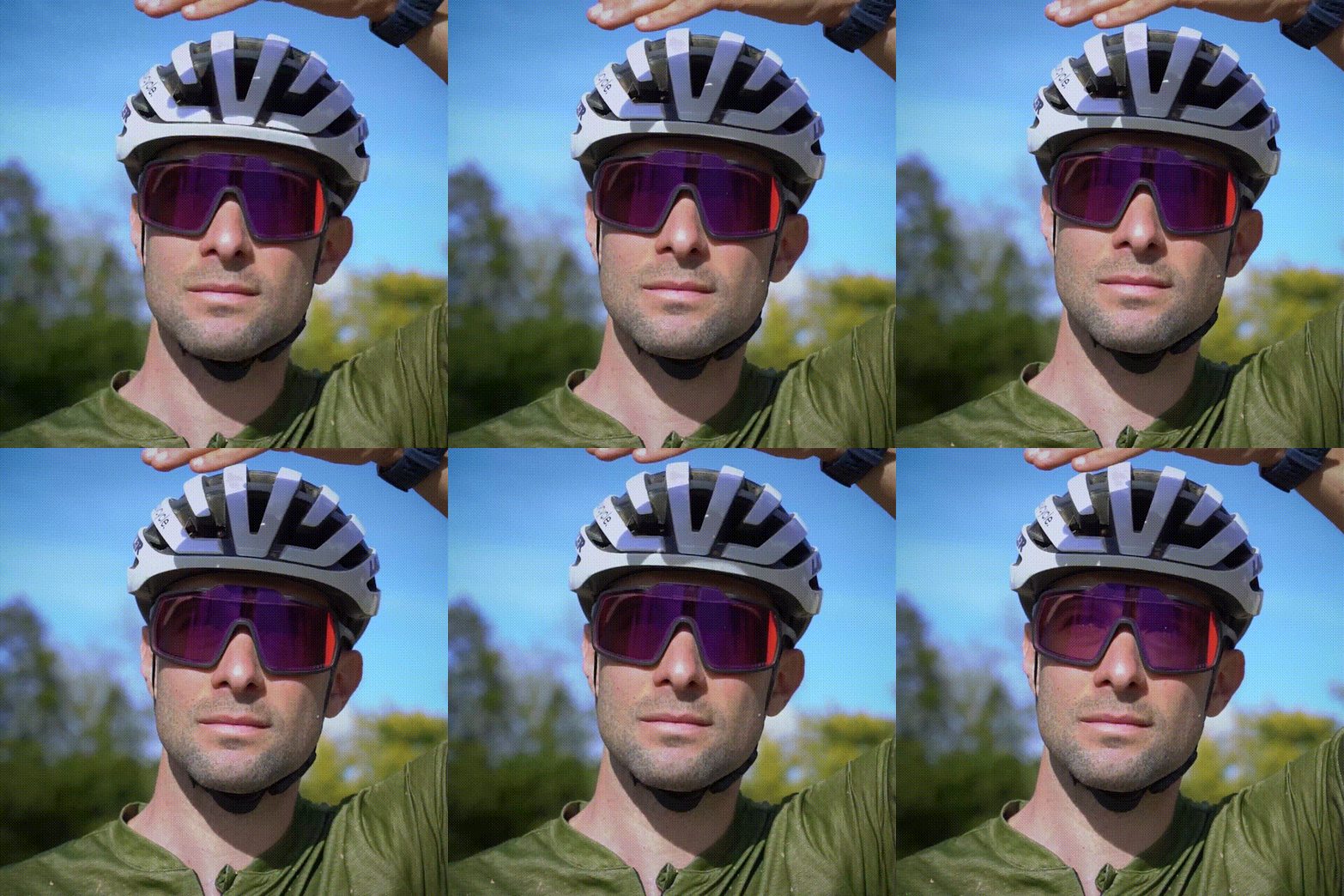
Discover PHOTOCHROMIC IRID lenses that react instantly to light and are electronic and battery-free.

OUT OF OPTICS

The Out Of Eyewear Collection, where high technology meets performance.

BRAND STORY

No large investment, no industry research: just three siblings passionate about outdoor sports who believe things can be done better. Out Of was founded in Italy in 2017: Federico, with an honors degree in Physics, Roberto, an industrial designer, and Laura, a graphic designer, all in their own bedroom. They had one goal: to help users achieve new levels of performance through science.

From small innovations developed in-house to cutting-edge technologies honed in high-tech laboratories, Out of remains true to its calling every day.

TIMELINE

IRID® LENS TECHNOLOGY

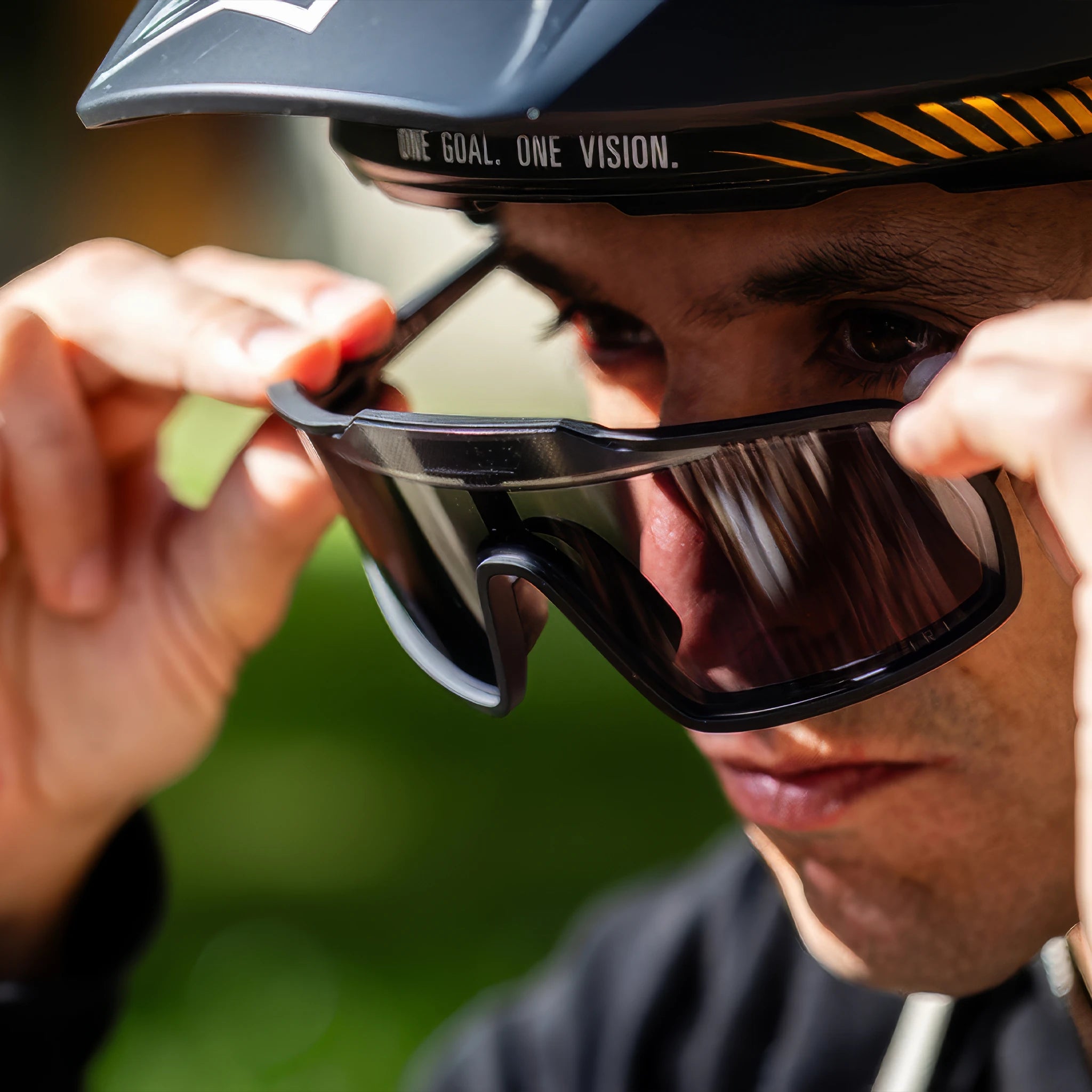
IRID® electronic lenses can adapt their tones to ambient light in 0.09 seconds; that's 100 times faster than normal photochromic lenses. They compensate for sudden light changes like no other lens.

Why Hydrophobic Coating is a Truly Essential Feature in Sunglasses
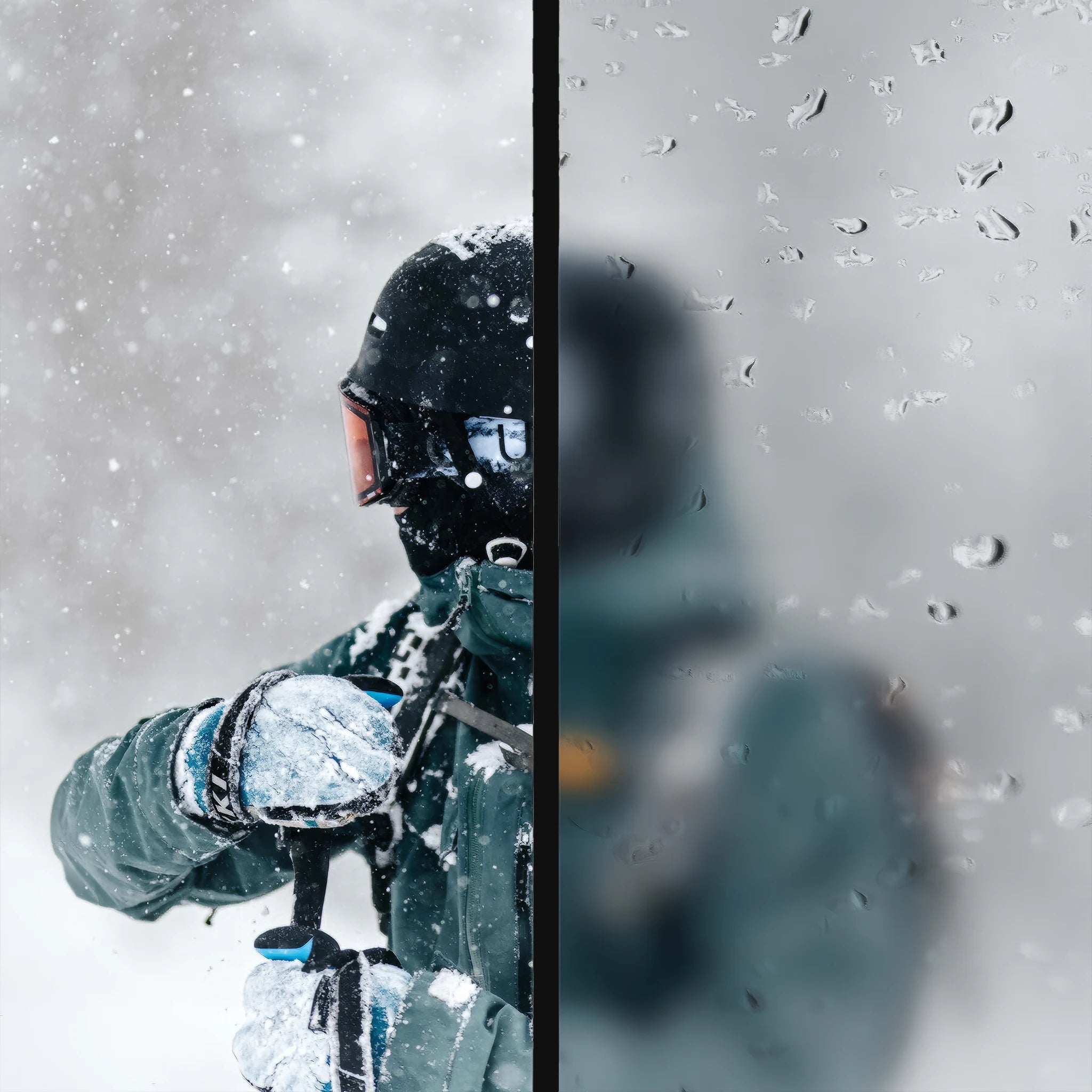
Have you ever considered how important it is to keep your sunglasses clean? Lenses are designed to provide excellent visibility, and the higher the quality, the better you see. But there's a big problem.
If your lenses get dirty, that premium quality is no longer important. Dust, water, or fingerprints can impair your vision, create glare, or cause discomfort. That's where hydrophobic coating comes in—it's a game-changer.

What constitutes a high-quality anti-fog application?

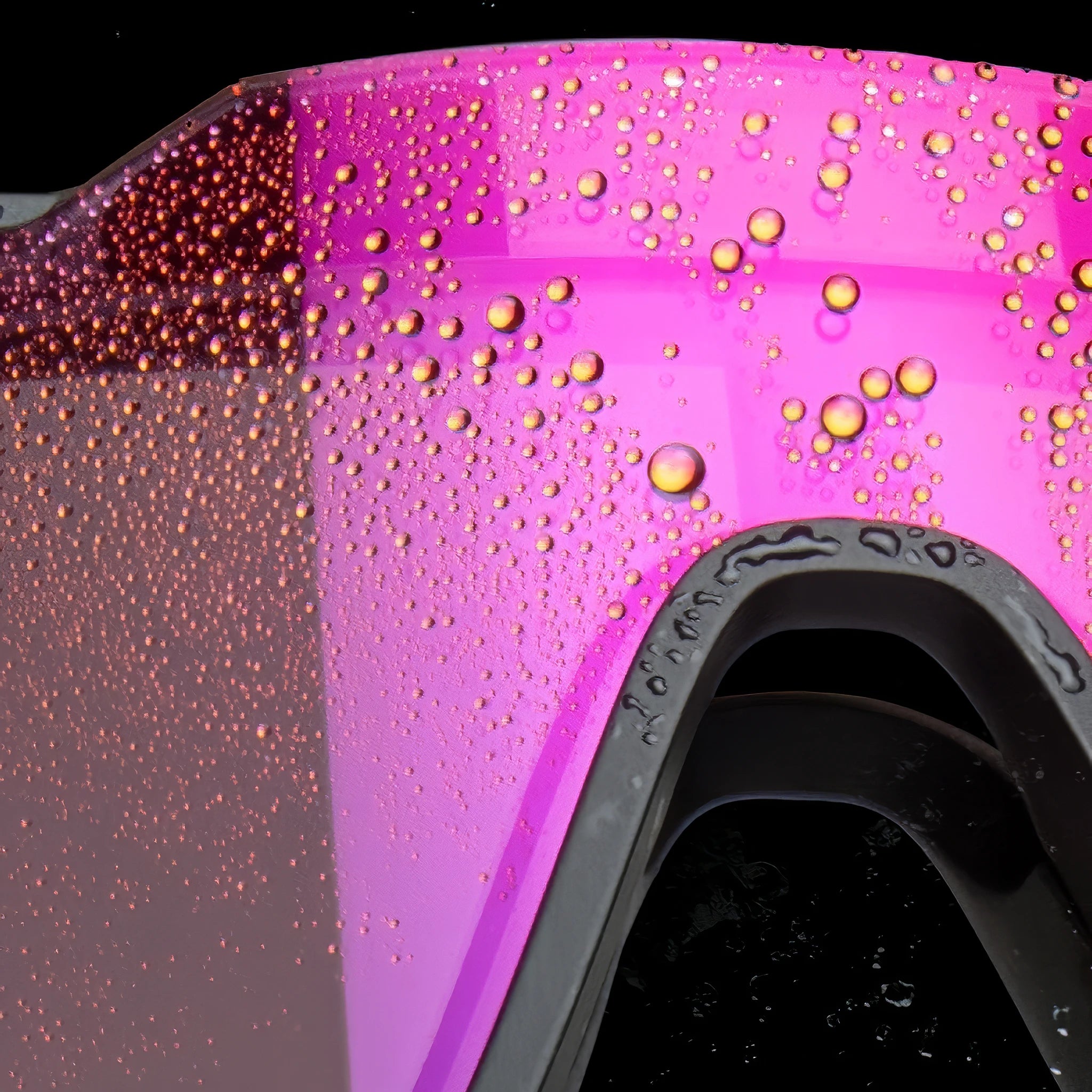
Superior performance stems not only from the formulation of the hydrophilic material but also from the quality of its application. An even coating is necessary to ensure effective moisture management across the entire lens surface. Furthermore, advanced treatments are generally more durable and abrasion-resistant, providing consistent performance even after numerous uses.

Interestingly, our treatment exceeds the maximum measurable limit of the standard test. The test machine is programmed to stop after 300 seconds, so we don't know the true upper limit of our anti-fog performance—maybe it's even better!