





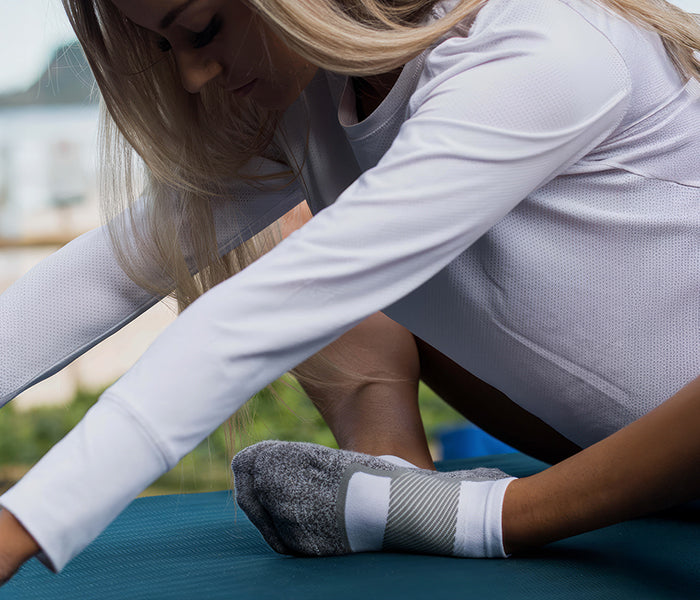





Pre-workout body preparation
The secret to success in training lies in how you prepare. Starting exercise without preparing your body is like driving a cold engine: risky, ineffective, and harmful in the long run. A well-planned preparation process, however, not only prevents injuries but also makes your training stronger, more balanced, and more efficient. In this article, we've compiled the most effective body preparation techniques you should apply before starting your workout.
Why is physical preparation so important?
-
It prepares your muscles and joints for exercise.
-
It improves nerve-muscle communication.
-
It corrects posture and contributes to improved balance.
-
It improves exercise performance and efficiency.
-
It significantly reduces the risk of injury.
-
It makes it easier to focus mentally.
Remember, preparation isn't just the beginning of training; it's an active and crucial part of it.
The Most Effective Body Preparation Techniques
1. General Warm-up with Light Cardio
The goal is to raise body temperature and increase heart rate.
-
Light jogging in place
-
brisk walking
- Exercises like jump rope can be preferred.
Time: 3-5 minutes is sufficient.
2. Dynamic Stretching Exercises
Actively lengthen and move your muscles with dynamic stretches, not static ones.
Example exercises:
-
Arm rotation movements
-
Hip rotation and leg swing
-
Leg swinging movements
-
Shoulder and trunk rotations
Duration: 4–6 minutes is ideal.
3. Articular Mobilization
It increases range of motion by specifically targeting joints prone to locking or stiffness.
-
Ankle rotations
-
Hip joint rotations
-
Exercises that stretch the shoulder area
These movements increase joint mobility and improve muscle-joint coordination.
4. Activation of Core Muscles
Activating the core is important for strong and balanced movements.
-
Plank (anterior and lateral plank variations)
-
Bird dog exercise
-
You can activate your core muscles with exercises like dead bug drills.
Time: 2 minutes is sufficient.
5. Sport-Specific Preparation Exercises
Apply customized simulation movements according to the exercise you will be doing:
-
Bodyweight squats before your squat workout.
-
Knee skip exercises before running
-
Light, short stroke movements before tennis or racket sports.
This prepares the target muscle groups for training and improves their performance.
Products that Support the Preparation Process
Here are some products you can use to make your workout more effective and safer:
-
Warm-up Support Products: Mini resistance bands, foam rollers
-
Mobility Products: Massage balls, elastic stretching bands
-
Core Activation Products: Balance boards, core exercise accessories
-
Preparation and Exercise Accessories: Yoga mats, resistance training systems.
These products provide you with maximum benefit and comfort during the preparation phase.
Who should apply these techniques?
-
Professional and amateur athletes
-
Everyone who is new to sports
-
Individuals who want to reduce the risk of injury
-
All individuals who exercise regularly
Frequently Asked Questions
How long should the warm-up take?
A 5-10 minute session is sufficient. It's important to focus specifically on the muscle groups and joints you'll be using during the workout.
Should static stretching be done before exercise?
It's healthier to leave static stretching for after exercise. Dynamic stretching is preferred before exercise.
Can I do these exercises at home?
Absolutely yes. You can easily do it at home with mini equipment or using your body weight.
Prepare Well, Start Stronger.
Consciously preparing your body for training is the most powerful partner in improving your performance. By properly preparing your muscles, joints, and mind, you can make your movements more stable and efficient. Practice these simple and effective preparation routines before starting your workout to achieve stronger, more balanced, and controlled exercises.
Remember, the best workouts always begin with the right preparation. Now is the time to act and get off to a strong start!